
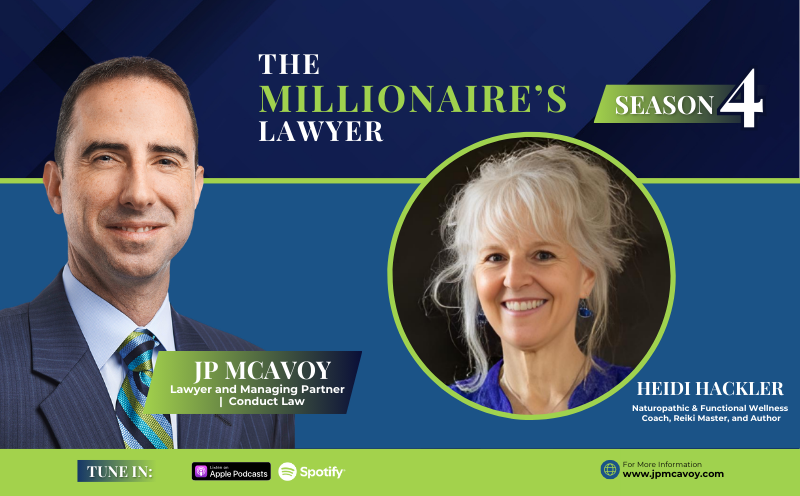
Live Better, Not Busier: Trade Stress for Simplicity and Purpose with Heidi Hackler
“The number one thing people could do to turn their life around and get healthier is to become one with nature. Without nature, we have nothing.” —Heidi Hackler
Some choices look bold from the outside, but up close, they’re just the natural next step. This episode digs into the quiet pull to simplify life, reconnect with the world around us, and make a big change.
Happy Well Life Founder, Heidi Hackler, shares the twists and turns that took her from Seattle to a sailboat home in Mexico. Her story weaves together adventure, health challenges, community, and the deeper clarity that shaped her work as a functional medicine coach.
Press play if you’re craving a life that feels more grounded and less rushed.
In this episode:
- Living aboard a 40-foot sailboat in Mexico
- Why the Sea of Cortez is a world-class place to explore
- Navigating community, culture, and change as a long-term expat
- What Mexican healthcare is really like for foreigners
- The surprising benefits of slowing down
- How nature helps reset the nervous system
- Daily health habits that make a real difference
- Simple breathwork for instant calm
Episode Highlights:
- 00:54 Life Aboard a 40-Foot Sailboat in Mexico
- 03:40 A Medical Emergency, Silver Linings, and Staying in PV
- 07:20 How Locals Receive Newcomers
- 12:35 Life in the Marinas: Authentic Mexico vs Gringo Hubs
- 15:57 Advice for Dreamers: Just Do It!
- 19:06 Nature’s Wisdom: Returning to the Outdoors for Better Health
- 21:59 Daily Health Boost
- 26:08 Breathe, Connect, and Live Fully
Resources:
Get Your Copy of JP’s Book
The Millionaire’s Lawyer: Grow and Sell Your Business for Maximum Profitability
Quotes:
03:49 “By the time the pandemic was over, we had put down roots here [in Mexico] and… I don’t think we’ll ever leave.” —Heidi Hackler
08:31 “There’s a right way to do things. If you do things the right way, interesting things tend to come back your way.” —JP McAvoy
15:57 “Do it. Just quit your job and do it. We waited way too long. We’ve managed. We’ve figured it out, and we’re really happy that we did.” —Heidi Hackler
16:21 “Meet Mexican people, make Mexican friends, learn Spanish, and really try to fit in— do the things the Mexicans do.” —Heidi Hackler
19:06 “I think one of the most important things people can do is reconnect with nature.” —Heidi Hackler
19:47 “People don’t even know where their food comes from anymore. They just buy it and eat it without a second thought. I think connecting with nature is so important.” —Heidi Hackler
21:13 “The number one thing people could do to turn their life around and get healthier is become one with nature. Without nature, we have nothing.” —Heidi Hackler
22:06 “Most people are chronically dehydrated, and your cells need to be well hydrated to intake nutrients and expel waste.” —Heidi Hackler
23:35 “We need seven to eight hours of sleep a night, and if you’re getting less than six, studies have shown it’s equivalent to being drunk.” —Heidi Hackler
25:28 “Box breathing has been scientifically proven to reset our central nervous system and put us back into rest-and-digest mode.” —Heidi Hackler
A Little Bit About Nick:
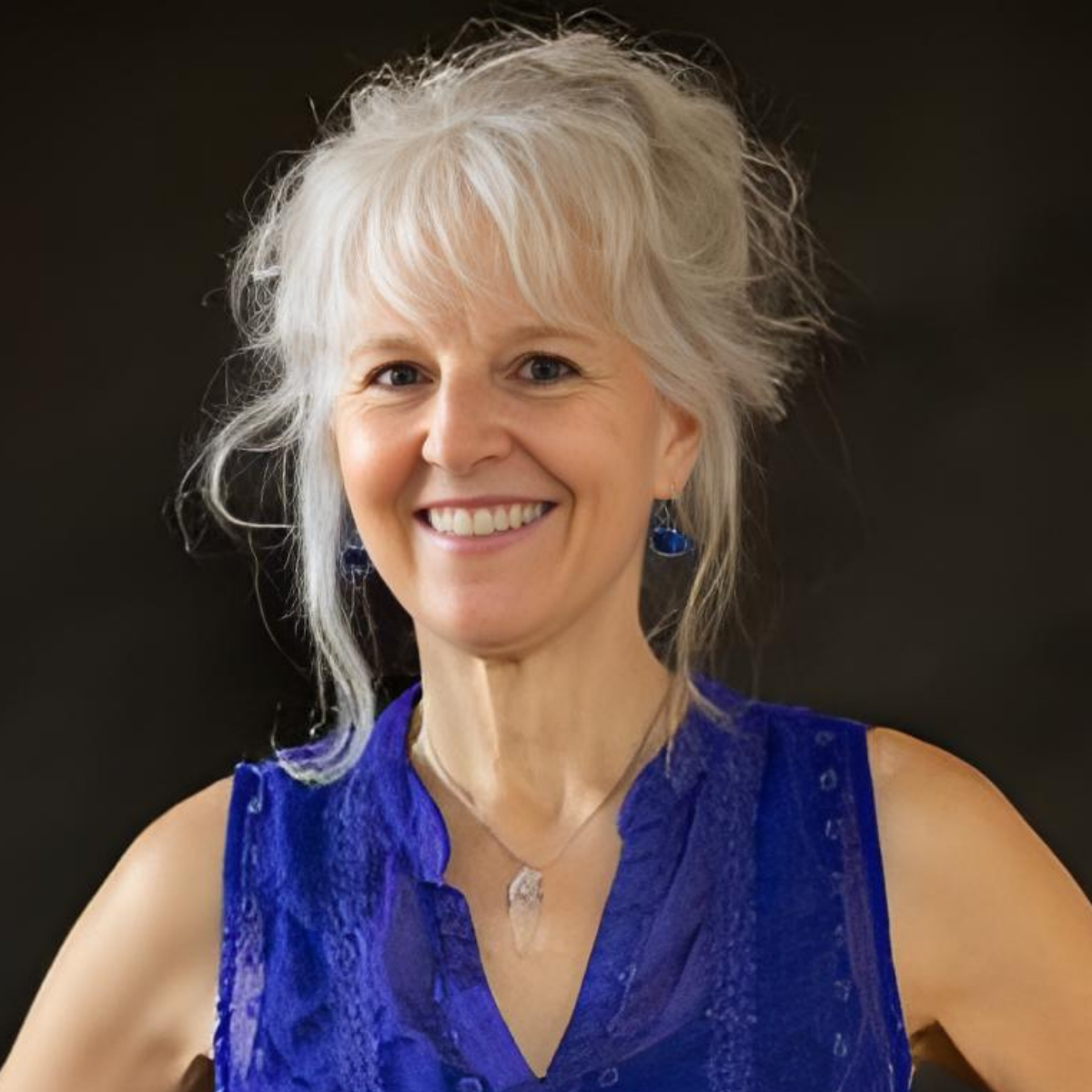
Heidi Hackler is an author, functional medicine health coach, and Reiki Master dedicated to helping women cultivate vibrant, healthy lives. Originally from Seattle, she has spent the past decade living aboard a sailboat in Mexico, where she and her husband sailed after years of offshore racing and adventure. Heidi blends her deep connection to nature, holistic wellness training, and global travel experience to guide clients toward balanced living through nutrition, lifestyle shifts, and mindful practices.
She is the founder of Happy Well Life, where she offers coaching, wellness resources, and transformative women’s retreats in coastal Mexico. Heidi also chronicles her sailing adventures, art, and insights on her blog SV Due West, inspiring others to embrace exploration, resilience, and the courage to “just do it” when pursuing their dreams.
TRANSCRIPTION:
***Welcome to The Millionaire’s Lawyer, where you’ll hear leading professionals share expert advice on how to grow your business and sell it for maximum profitability. If you want to learn lawyer proven strategies for building and exiting your business, then this is the podcast for you. Your host, JP McAvoy, is a business Lawyer, college Professor, and Best Selling Author who has been assisting clients start, grow, and sell their businesses for millions of dollars for over 15 years. Will yours be the next? Now, here’s your host, JP McAvoy.
JP McAvoy: Hi, and welcome to the show today. We’ve got Heidi Hackler who’s an Author and Reiki master. Well, she’s done a lot of things. You’ll hear how she’s made her way to Mexico. And here’s my conversation with Heidi. Heidi, so great to see you. Thanks for joining us here today from, I guess Puerto Vallarta? Is that where you are right now?
Heidi Hackler: Yes. I’m in Puerto Vallarta, Mexico. Thanks, JP, for having me along.
JP McAvoy: Great to see you. Most people will be listening, and it looks like you’re sitting in your living room in Puerto Vallarta, as you say, but you’re actually not. Are you? Where are you sitting?
Heidi Hackler: No, I’m in my sailboat. And our sailboat, we have a 40 foot sailboat. We sailed here from Seattle about 10 years ago, and we sail around Mexico now. And the exterior is fiberglass, but the interior is altique, so it does kind of look like a living room.
JP McAvoy: That’s so good, and that’s what first inspired me to reach you. I spent quite a bit of time in Mexico myself, and you said you’ve done it for about 10 years ago now. We’ve lived here for 10 years. Take me through that process, the transition, I think, from Seattle originally, right? Or from Seattle last?
Heidi Hackler: Yeah. Well, I met my husband’s sailboat racing 35 years ago. So we’ve kind of had the sailing bug for a long time. We bought our boat in 92. And in 96, we raced it to Hawaii with some other friends. We kind of had the dream of going cruising long term, but I wanted to make sure that I would really like it before we actually really did it. So we raced to Hawaii, and I loved being out at sea. It was very fun. We didn’t want to stop. I was hoping we would kind of miss navigate and pass Hawaii, and keep going on to Tahiti or something else. So in 2015, we finally left Seattle and made our way down here. We actually weren’t planning to stay a long time in Mexico. We were only planning to just kind of pass through Mexico because we had traveled here a lot. We love Mexico, but we thought that there’s so much more of the world that we want to see. We can always come back to Mexico. But when we got down here the first month, or first few weeks we were here, we ran into some old sailing friends we had known from Seattle, and they had spent 20 years circumnavigating the globe. And they said the Sea of Cortez, or the Gulf of California, as they say down here is as best as it gets anywhere in the world.
We’ve sailed all over. And they said, we won’t let you guys leave Mexico until you go spend a season in the Sea of Cortez. So we said, all right. We don’t have any time frame for anything. And we did that. We spent a season in the Sea of Cortez, and we really loved it. It was really nice up there. And then we decided we’d continue on to Panama. As we were coming back down this way, my husband, unfortunately, had a stroke when we were in PV. But it was kind of like, I guess, silver linings. Because, thank God we were in PV, because they have excellent medical care here, and he had an underlying heart condition that we didn’t know about so we got that taken care of. He had to get a pacemaker. We ended up being here for a couple of years while he got better, while he repaired, recovered, yeah. And he would say he’s 95% recovered now. But then, covid hit. And so then it’s like, well, we’re not going anywhere now, because covid around the world was just kind of a nightmare. And so by that time, by the time the pandemic was over, we had really just put down roots here and had a community of friends. We do yoga here, so we had a lot of yoga friends, and we’re kind of here. I don’t think we’ll ever leave.
JP McAvoy: That’s so good to hear. As you described it, I once wanted to take me in so many directions. First, I want to start over at the Sea of Cortez. Because likewise, I was just struck by it. I drove down there. I drove down there originally with friends. I was living in the Bay Area at the time, and we were captured by, obviously, the Sea of Cortez. I didn’t do anything. I didn’t know anything about it until I had just done that. And now I realize, obviously, the confluence of it, of all the different waters that converge there, and all the life. I mean, the beautiful beaches.
Heidi Hackler: It got some of the best sea life in the world. Dolphins and whales, and just so many amazing things. We had a really cool opportunity to swim with whale sharks, a couple of different times up there. And whale sharks are amazing. They’re the largest fish in the sea. They are a shark, but they’re a filter feeder like a whale would be. So they don’t have teeth, they can’t bite you. But I probably swam side by side. I have a great video on our blog with me swimming next to a whale shark, but it was probably 15 feet long. Just swimming along next to it with my GoPro video.
JP McAvoy: Amazing to think, and it’s also interesting that you say that those in this sailing community have been sailing all over the world. I also would come back and say, no, this is one of the places to be. I guess that continues to be the case, doesn’t it?
Heidi Hackler: Yeah, for sure. The sailing around the Pacific Coast of Mexico, from the Sea of Cortez down to Puerto Vallarta, and a little bit south to Barra de Navidad or even Zihuatanejo. In that whole area, a lot of people just circle around through the season. They go south in the winter, and back north in the summer, and kind of just do the loop. And it’s great, great sailing grounds here. There’s so many places like the Pacific Northwest. We had so many places up there, so many islands, that we could go to a different place every single weekend, pretty much. And it’s kind of the same down here. There’s a lot of places to go sailing. So the downside to sailing in Mexico is there’s not a ton of wind here, so you actually end up motoring a lot more than sailing.
JP McAvoy: There you go. I see you on the Sea of Cortez as well, right? Being obviously on the Pacific side. You see that you must have watched it over the last 10 years. Really changed a lot too. I keep hearing people describe how much it’s changing. What put it in your words, what you’ve seen occurring?
Heidi Hackler: Well, since the pandemic, right here in Puerto Vallarta, there’s been over 50,000 gringos, Americans, or Canadians, predominantly moved to Vallarta since the pandemic. And that’s a huge influx of people. I realized we’re gringos and we moved here. And yes, we’re part of the problem too. But it’s like, wow. To have 50,000 people move here in a two or three year period is just crazy. Prices have skyrocketed. Everything costs twice as much as it used to 10 years ago, and the infrastructure is just changing like crazy. So many new condominiums going up the old, cute, little Mexican houses. And hotels are being torn down for these big, euro style buildings that we don’t care for. We didn’t come to Mexico to repeat the US, right?
JP McAvoy: It’s losing a little of its authentic charm, right? That’s one of the things we see with development everywhere. And yeah, that continues as we go up and down. The modern reality being set to that is what is occurring. How are you being received? As they say, more and more people arrive. Is the Mexican population also enthusiastic?
Heidi Hackler: For the most part, I would say yes. And we do speak Spanish. We’re not fluent, but we are definitely transactional. So anytime we’re out at a restaurant, in a store, in a taxi, we’ll always be speaking Spanish. I would never come here and expect people to speak English to me. I’m in their country, I need to learn their language. I think that’s only common sense. But it’s shocking, the number of gringos who don’t speak any Spanish and don’t even try to speak Spanish. So I think that gets a little bit annoying. And I don’t blame Mexicans for being frustrated with that. But personally, we have a lot of Mexican friends here, and we have not had any issues at all. I think it’s a case of really, we’ve traveled a lot around the world, and anywhere you go, you get back what you put out. And if you’re nice, friendly, kind and you do things to help the community, we volunteer at a food bank here every month, and we just really try to do a lot of things to give back, because we are visitors here.
JP McAvoy: That’s a life philosophy as well, right? We’ll get into that. Because being that way, it just creates good things. We’re meeting for just that reason, which is wonderful to see. And I think there’s a right way to do things. And if you do things the right way, interesting things tend to come back your way as well. So with that frame of mind, what are some of the interesting things that have come across during your times down there?
Heidi Hackler: Oh, my gosh. Well, we’ve just met amazing people. Really, our community of friends is a big, wide range. We actually don’t have that many American friends down here. A few, but there’s more Canadians here. At least in the Vallarta area, I would say it feels like it’s part of the gringo population. It feels like about 75% Canadian and 25% American. I don’t know if that’s exactly right, but there’s a lot more Canadians. Or at least the Canadians are more prevalent. Maybe the Americans are all trying to hide right now.
JP McAvoy: Interesting. I think that it’s a very accessible area in Mexico, especially for Canadians.
Heidi Hackler: Daily flights down here from everywhere, so there’s a lot of Canadians. But we do have a lot of friends from elsewhere. In Europe, some different European countries and other places in South and Central America as well that live here. We’ve just had amazing opportunities come our way. I’m trying to think of something specific.
JP McAvoy: I want to get into what, you’ve had some close encounters with the hospitals, right? Or healthcare? So yeah, vantage point, what are things like for you?
Heidi Hackler: Yeah. So that’s been really good. When my husband had his stroke, he had to go to the hospital here. And at that time, we didn’t really have insurance that covered us here. Thankfully, the insurance he had in the US, we were able to get reimbursed for everything we did have to pay out of pocket. And prices used to be much more reasonable than they are now. They’re still much less than the US. Obviously, Canada is free healthcare, so to speak, but you’ll pay out of pocket for things here. I have an insurance policy that covers me here, and we also recently joined the it’s called IMSS or IMSS, as they say here. It’s the socialized medicine program here. That is if you have your Residente Permanente, which we do, so we have our permanent green card, basically. So if you have that, then you can buy into the healthcare system here. So we have done that. I don’t have any qualms with it. I haven’t had anything major done. Nor has my husband. I’ve heard stories from people that it’s not the top of the line health care, but it’s the stop gap. It’s something. If you’re in a car wreck or you have something major, it’s going to take care of you.
JP McAvoy: Agree about being taken care of, and by kind people as well, right?
Heidi Hackler: Yeah, absolutely. But there is one thing that’s really different here. I do recommend that anyone come down here to make sure that they are covered for insurance. Because with the Mexican hospitals, not so much the private ones, but the private ones are much more expensive. But with the public hospitals, you have to have somebody stay with you in your room 24/7. They don’t have enough nurses to come around, so you might be changing someone’s bed pan, or you might be helping them out with whatever. So a lot of gringos that come down here, and then find themselves in the hospital don’t understand that they’re expecting to be taken care of by nurses. And you have to have a friend or family member there 24/7, so that’s a big, huge commitment, especially if somebody has something major going on.
JP McAvoy: That’s interesting. I didn’t know that side of things. Just the little differences that we see along the way on the boat. Do you have a vehicle down there as well? Did you manage to get one?
Heidi Hackler: No. We take public transportation. And Vallarta is fantastic. The bus costs about 50 US cents, and goes everywhere we need. So we take the bus a lot. If we need to, we take Uber. There’s Costco here. We’re big fans of Costco. Being from the Seattle area, my husband’s name is Kirk, and he’s from Kirkland, which is where Costco is from. So we joke about Kirk from Kirkland, and his Kirkland brand of products, but we shop at Costco and take the Uber from there back to the boat. We have a little cart. We call it carrito. It’s one of those fold up carts that we take with us. And actually, a lot of times, if we go to Costco or go grocery shopping, we’ll take our cart and just use that instead of a shopping cart in the store, and put everything in it and go.
JP McAvoy: It’s such a big boating industry there. You’re not the only people doing that. There’s a lot of people supplying that way.
Heidi Hackler: For sure, yeah. There’s a couple of different Marina’s. Here we are in Marina Vallarta, which is right in downtown PV. It’s right near the airport. Most of the sailors and cruisers down here are in the town of La Cruz, which is about an hour drive north of here. So we spent a couple months there, and that’s actually where we were when my husband first had his stroke. But he had to come into PV, to the hospital here, and then we had to actually get off the boat for about three months and rent a condo while he recovered. Because his balance was very bad, and he couldn’t be on the boat. And in that time, we just really fell in love with art and all the things to do here. There’s so much art here. There’s street murals everywhere. There are lots of different festivals and parades happening all the time. Mexicans love a party and any reason to celebrate. When we were living in La Cruz, we were forever taking the bus into Vallarta every day to come to some event. And we said, why are we doing this? Why don’t we just move the boat and live in Vallarta? So we do live here. There’s very few cruisers here. This Marina is more of a working Marina. There’s a lot of fishermen, a lot of sunset cruise boats and things like that, which we really love because our dock, we’re the only gringos on our dock, it’s all Mexicans. And so other boaters that we have as neighbors, we just speak Spanish and get to practice our Spanish more. And it feels like more of an authentic experience. My husband always says, we didn’t come to Mexico to live with a bunch of gringos and listen to bad cover bands playing dust in the wind.
JP McAvoy: That’s so great and so true, right? You’re always saying a great deal of your time there. Have you ever got over Cabo San Lucas or San Jose?
Heidi Hackler: To the Sea of Cortez a couple times? We haven’t. And not, since the pandemic, we haven’t been up there. We’ve been down south to Barra de Navidad, which is another lovely community. It’s a little surf town, and that’s actually where we spent the pandemic years, just totally by luck. We feel like we won the lottery for spending the pandemic there, because it just was kind of a non issue. It was like a pandemic, what pandemic? Life just went on as normal. But we had sailed down there for two weeks with friends of ours from the states that came to visit who are also sailors, and we were going to sail down for a week and spend a bit of time there, and sail back up. And their flight was leaving the airport. Well, when we got down there, the pandemic hit Mexico, and the port Captain closed all the ports. And this is another thing that’s really different between Mexico versus Canada or the US. If we’re sailing in Canada or the US, you don’t have to check in to every different town you go to. If you’re in Canada, you can sail from Victoria to Vancouver, and you don’t check in with anybody. But here, you have to check in and out of every single town or city that you visit. So the port Captain closed all the ports in Mexico, and we could not leave for five months. So we said, all right, well, I guess we’re in–
JP McAvoy: We’re doing it. And as you say, in retrospect, a great place to do it from.
Heidi Hackler: It was great. We ended up, after five months, they opened and lessened the restrictions, and we could leave. But we chose to stay. And we stayed for two years because it was just really great.
JP McAvoy: It sounds like you’ve had an amazing experience with that, and amazing experiences through all. So for somebody listening, somebody that may be thinking about doing something similar, maybe a gringo, a Canadian, American, I saw a lot of the people listening to this show dreaming of someday living perhaps in Mexico, what kind of advice would you offer to them?
Heidi Hackler: Do it? Just quit your job and do it. We waited way too long. I wish we would have left like 20 years earlier. Our financial planner kept telling us, you can’t afford to go. You can’t afford to go. And we finally just said, screw it. We’re going. And she was probably right. We probably couldn’t afford to go, but we’ve managed. We’ve figured it out, and just really happy that we did. And there’s, I would say, meeting Mexican people, making Mexican friends, learning Spanish, and really try to fit in, and just do the things the Mexicans do. We eat at the restaurants that the Mexicans eat at. We don’t eat at the fancy gringo restaurants because they will cost an arm and a leg. But I know where to get awesome tacos for probably $5 US, I can get three tacos.
JP McAvoy: You know where to go in that, right? And how to do it. And that philosophy is one, not just as it applies to moving or living any type of dream, right? Do it? That’s such great advice. Yes, do it, by all means. So it’s interesting. So you have done it, and you continue to bring people down, or you continue to show it to others. You just hosted a retreat, and I think that’s something.
Heidi Hackler: Yeah, it was in Yelapa, which is a great little town. It’s about a 45 minute boat ride south of here. It’s not accessible by road, so you have to take a boat to get there. It’s right in the jungle, up against the ocean. And it was super fun. Women’s retreat. We hiked to waterfalls. We did red clay mud baths in the river. We swam in the ocean, we did yoga, we did all kinds of art projects, and it was just a lot of fun. I’m planning another one, probably next November. I don’t have the date set up yet, but it is up on my website. There’s a wait list to be notable.
JP McAvoy: So for those listening that might be interested in seeing that, what’s the best way of locating that?
Heidi Hackler: I have two different websites. One is my business site, because I am a Functional Medicine Health Coach, and I help women to live healthier lifestyles. So that website is happywelllife.com, so it’s got 3 L’s in the middle there. Happy Well Life, it’s a little bit cumbersome with the 3 L’s in a row. But anyway, happywelllife.com is my business website, and that’s where you can find out about my retreats and things. And then our personal sailing adventure blog is SV Due West. So the name of our boat is Due West, like the direction. And SV stands for Sailing Vessel. So svduewest.com, and then you can find all about my art there, and read different blog posts about our sailing adventures.
JP McAvoy: Yes. All the adventures are there, so do look those up. And again, that’s one of the reasons we got connected, I think. To your mutual friend as well. I just love the story. Love to hear that you have just done it, and love that you’re teaching others as well. I’ve been struck by, I think, from the retreats that you do. It’s interesting the ways that we play, right? You’re doing this with your fellow women and you talk of the lessons that Mother Gaia can teach us. Some of the things on that, and it seems to be almost, how can we say this? Not quite sure why, but it seems to span all types of areas, all types of people that are looking to play. There’s some type of wisdom there. What’s the wisdom that you’ve learned or heard, and that you are trying to pass on to others?
Heidi Hackler: I think one of the most important things people can do is reconnect with nature. Because I think through our society and culture in the last couple hundred years, we have just become so removed from nature. And if you think about it, the way when I’m working with clients, I really like trying to harken back to our hunter gatherer ancestors hundred thousands, two hundred thousand years ago, and they were so connected with nature. Nature was everything. They worshiped the sun, and they just got their food from the plants and the animals. And their animals were revered. They respected the animals. So even though they had to maybe kill something to eat, they would respect and honor its soul or whatever, and use all the parts of the animal. Today, people don’t even know where their food comes from. They just go to the store and buy and eat it, and don’t even give a second thought to where it is coming from. How is it being prepared? But I think connecting with nature is so important. And on this retreat, when we did this hike up to the waterfall, I walked barefoot for five miles, which I had never done before. I wasn’t even sure I could do it.
I brought shoes along and thought, if my feet get tired, I’ll put them on. But it’s just so great to connect with the ground, just feel that and the grounding. I’m sure you know about grounding and how WE as humans, we are electrical beings, so we need to release some of that hunt up energy that gets caught up in us. Too many positive ions need to be released into the ground. And again, thinking back to our hunter gatherers and on up to even prior to probably 100 years ago, at least, everyone wore leather sole shoes. Now, we all wear rubber soled shoes, which are insulative, and they don’t conduct electricity so you can’t even discharge that excess energy that you need to be discharging. And I really think that’s one of the reasons why there’s so much anxiety and stress in the world today, because positive ions just get built up in your body and need to be released into nature. You need to go hug a tree. You need to be barefoot. You need to feel the rain on your face. And people don’t do that anymore, for the most part. Some people do. But I think the number one thing that people could do to really turn their life around and get healthier is to really become one with nature, embrace nature. It’s where we get our water, it’s where we get our air, it’s where we get our sunlight, which makes everything grow. So without nature, we have nothing.
JP McAvoy: Yes. And I agree with you. I think we’re now starting to become aware of how disconnected we’ve become. This type of conversation is occurring more and more often. People are realizing that we need to get back to this. And there’s retreats, and there’s people speaking to this and offering any number of health hats. You’ve written on some of these as well, and have published. If you were to cite some top health hats that you’ve come across, obviously, being aware of connection with nature. But what are some other things that people can do in a day to day basis, if perhaps they’re not in nature?
Heidi Hackler: Yeah, for sure. I have a couple of great ones. I think two things in particular could really help even if you’re not in nature. Most people are dehydrated, chronically dehydrated, and your cells need to be well hydrated in order to intake nutrients and expel waste. So my hydration tip is not only drinking water, which I drink out of a mason jar. I can kind of see how much water is going down, but I put sea salt in my water every day, and electrolytes. And I think everybody will benefit from sea salt and electrolytes in their water daily, because salt actually helps to get the water into your cells. And people have become so afraid of salt. They fear salt. We need salt to survive. We’re salt water. Our bodies are 65% salt water. So when tap water has been filtered and there are minerals removed out of it, and bottled water is full of plastic, no, you need salt in your water.
There’s a couple of great books I would recommend checking out. One of them is called The Salt Fix by James Dinicolantonio, and it goes into great detail about how important salt is for our body. And because we are electrical beings, salt helps conduct electricity, so we really need that salt in our body. There was another book speaking of nature, and I don’t remember the author of it, but it’s a great book called the Nature-Deficit Disorder, and it talks about how we’re all deficient in nature. But one of my other hacks has to do with sleep. And really, I think sleep is one of the most important things, and we need 7-8 hours of sleep a night. Everybody does. And if you’re not getting that, if you’re getting less than six hours, in particular, studies have shown it’s equivalent to being drunk. So they’re even starting to think that a lot of maybe drunk driving accidents, or a lot of the road accidents, traffic accidents are just sleep deprivation. Because when you’re deprived, your brain can’t think straight, and then that also adds to the stress. Because when your brain can’t think straight, you get brain fog. You can’t remember things. And then you think, oh, my God, am I getting Alzheimer’s? What’s wrong with me? Well, it could just be hydration and sleep. Those two things are the key.
JP McAvoy: And Heidi, it’s things that we know, but we need to hear them again. It’s being spoken more and more often now, surely. But as people listen just to remind ourselves. For those that are just listening, your mason is out of glass, as well as you say, not a glass. It’s important for us to hear those things. We really appreciate having you here on Heidi, hear a little bit of life in Mexico, and the way that you’ve made it go. For those listening and interested, please do check out those websites there. And we like to end these podcasts with one thing that somebody can take with them through the rest of the day, through the rest of the week after this episode has dropped. You’ve given us a wealth of information here, but something that, Heidi, you’ve heard over the years, maybe something that someone said to you, a mantra or something of sorts that someone listening might take with them for the rest of the day. What would you say to somebody listening?
Heidi Hackler: There’s a couple of them, but I’ll give you another tip for just helping to stay healthy, which is box breathing. I don’t know if everyone’s heard of box breathing or not. But basically, you inhale for a count of four, you hold for a count of four, you exhale for a count of four, and hold for a count of four, and you just keep repeating that. And box breathing has been scientifically proven to reset our central nervous system and put us back into parasympathetic rest and digest mode. And you can do it anywhere. You can do it while driving in your car. If somebody cuts you off and you get stressed out, instead of screaming, yelling or flipping them off, just start box breathing. If you have to wait in line to pay a bill or something like that, probably in the States, that’s not a thing anymore. But in Mexico, you spend a lot of time waiting in lines. But anywhere you are, you can be breathing. Even if you’re in a contentious meeting with your boss in the office, you can just start box breathing, and they don’t even have to know you’re doing it. So I think that’s a great tool that you have with you, inside of you. You can take that anywhere you go.
JP McAvoy: So great the importance of breath. We’ve spoken to the sea, to being in nature, to eating, sleeping and breathing. Heidi, thanks so much for joining us. I look forward to next time.
Heidi Hackler: Thank you, JP. Take care.
***Thanks for listening to The Millionaire’s Lawyer. Please subscribe and rate on iTunes or wherever you get your podcast. To get your business millionaire assessed, and to access the wide variety of resources that we offer in addition to this podcast, go to jpmcavoy.com, that’s J-P-M-C-A-V-O-Y .com.
Recent Comments